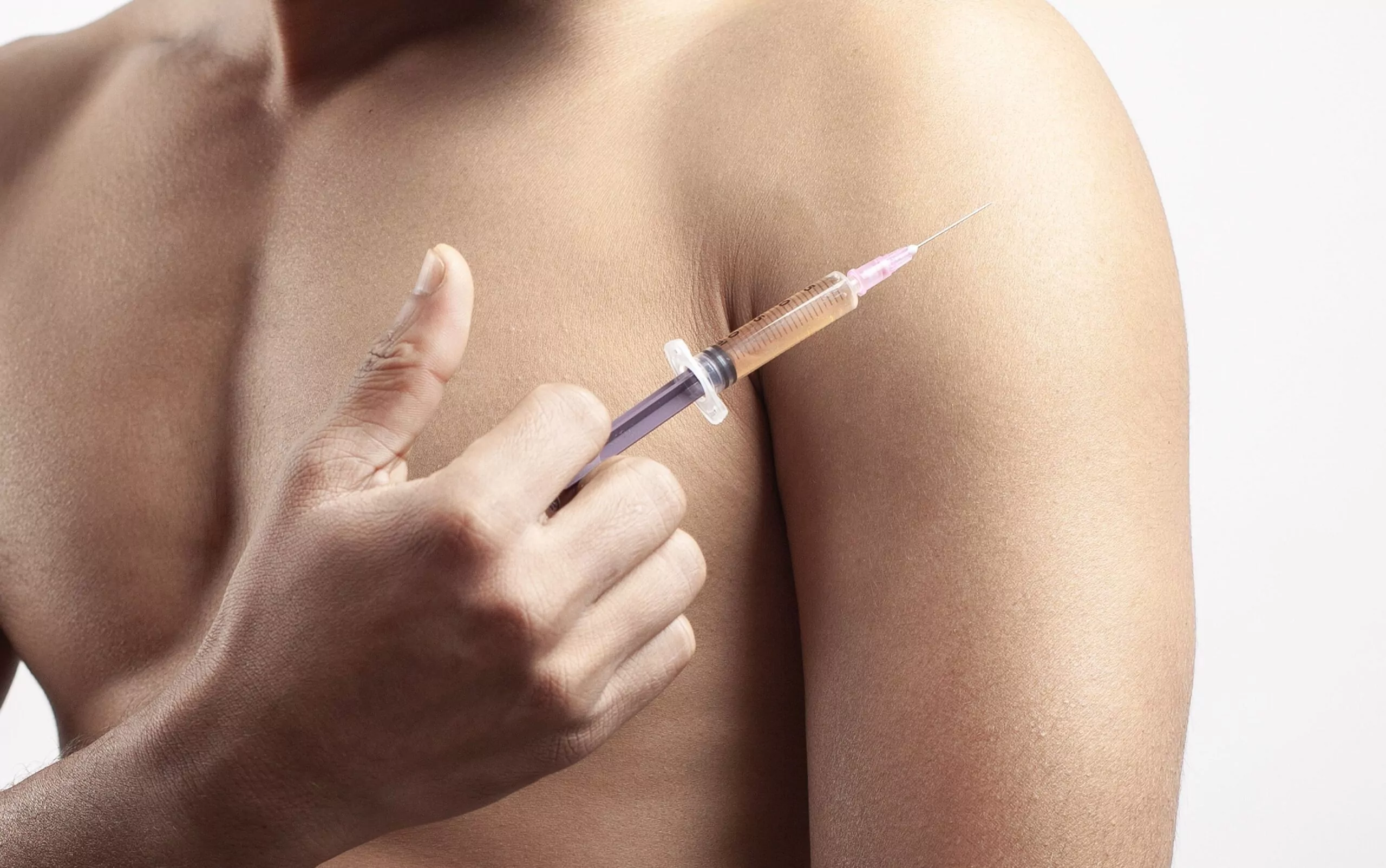

Both puberty and anabolic steroid use can cause gynecomastia. Having avoided it as a teenager does not make you immune as an adult. Gynecomastia means growth of glandular breast tissue, which is different from fat accumulation around the chest.
Pubertal gynecomastia is common. European Academy of Andrology guidance estimates that it affects approximately 50% of boys during mid-puberty, with more than 90% of cases resolving spontaneously within two years. PubMed
There isn’t one reliable percentage covering every steroid user. Risk varies with the substances, exposure and individual response. In the prospective HAARLEM study of 100 male steroid users, gynecomastia was observed in 19%. That figure includes existing cases and should not be interpreted as a 19% chance of developing it from any particular cycle. Wiley Online Library
These numbers also aren’t directly comparable. One describes a common developmental change during puberty; the other comes from a selected group of adults using different steroid regimens.
Steroids can alter the balance of androgen and estrogen effects on breast tissue. Your previous history alone cannot predict how you would respond, and a normal baseline hormone result cannot guarantee protection. NCBI Bookshelf
If you develop nipple tenderness, breast enlargement or a lump, arrange a medical examination rather than assuming it is gynecomastia and treating it yourself. A hard or fixed lump, nipple discharge or skin changes particularly need assessment.
Further reading: Gynecomastia clinical guidance and the HAARLEM study.