Loading...
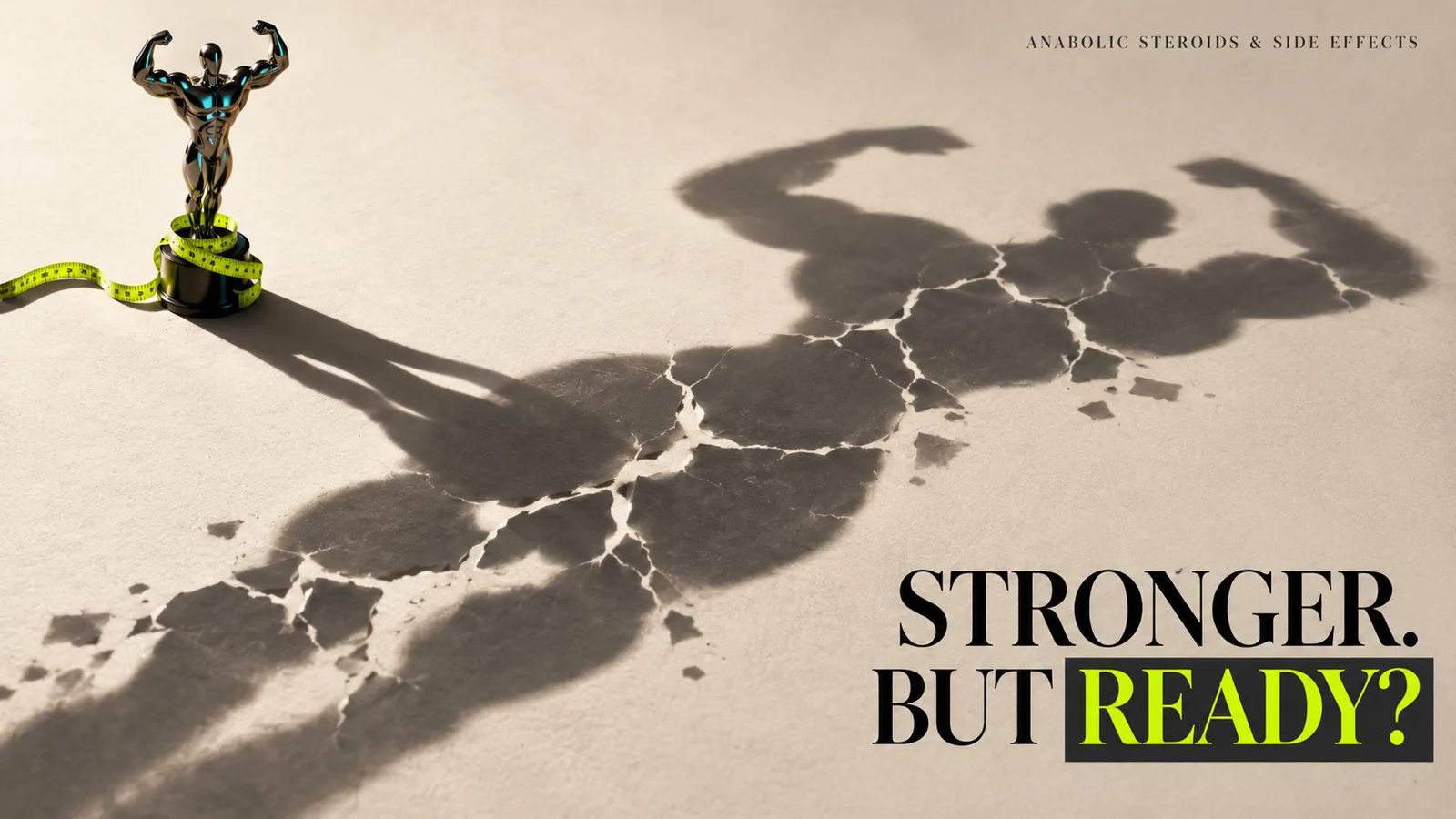
Anabolic Steroid Side Effects: Why “Being Ready” Does Not Guarantee Safety
Anabolic steroids can increase muscle mass and strength, but those effects come with potential consequences for hormonal function, cardiovascular health and psychological wellbeing.
Some bodybuilding advice presents physical maturity, years of training and extensive research as prerequisites that make steroid use safe. These factors may influence someone’s understanding and decisions, but they do not establish a reliable safety threshold.
Medical treatment for a diagnosed condition is different from using steroids to change appearance or improve sporting performance.
Physical Maturity Does Not Eliminate Risk
Adolescents face particular concerns because their bodies are still developing. Anabolic steroid misuse can accelerate skeletal maturation and restrict remaining growth, as explained in the NHS guidance on anabolic steroid misuse.
However, reaching adulthood does not remove other risks. There is no single birthday after which nonmedical steroid use becomes safe.
The original article’s precise timelines for skeletal, joint and voice-box development should not be used as eligibility rules. Development varies, and completing growth does not protect someone against cardiovascular, reproductive or psychological complications.
Years of Training Are Not a Safety Certificate
Consistent resistance training develops strength, technique and physical capacity. Nevertheless, there is no validated three-, four- or seven-year training requirement that makes anabolic steroid use safe.
Tendon injury is also a concern among experienced lifters. A cohort study comparing experienced male bodybuilders found a higher frequency of tendon rupture among those reporting anabolic steroid use. Because the study was observational, it cannot establish every mechanism responsible for that difference.
The claim that a sufficiently developed muscular foundation prevents steroid-related injury therefore goes beyond the evidence.
Knowledge Helps Understanding, but Cannot Remove Side Effects
Learning about training, nutrition and recovery is valuable. So is understanding the limitations of personal testimonials and online drug advice.
However, reading extensively or consulting an experienced gym mentor cannot guarantee protection from adverse effects. Additional medicines used to manage one problem may introduce others.
The NHS notes that cycling, stacking and pyramiding have not been shown to reduce the harms of anabolic steroid misuse. Knowledge of these practices should not be confused with evidence that they are safe.
Psychological Health Deserves Equal Attention
Steroid use can affect mood and behaviour. Reported problems include irritability, aggression and mood swings; withdrawal can involve depression, anxiety and fatigue.
These effects are not simply a test of willpower or maturity. A person who previously felt emotionally stable may still experience difficulties during use or after stopping.
Pressure to become larger, fear of losing progress or persistent dissatisfaction with appearance also deserves attention. Support should address those concerns alongside physical health.
Important Anabolic Steroid Side Effects
Potential harms extend well beyond changes visible in the mirror. They include high blood pressure, adverse cholesterol changes, reproductive problems, liver injury and serious cardiovascular complications.
The National Institute on Drug Abuse’s overview of anabolic steroids explains that some consequences can be severe, long-lasting or irreversible. Looking fit and performing well cannot establish that these risks are absent.
Does Elite Sporting Potential Change the Medical Risks?
The possibility of national or international success does not create a biological exception. Competitive ambitions may influence someone’s choices, but they do not make the same substances less harmful.
Claims that steroids reliably improve self-esteem, relationships or social opportunity should likewise be treated cautiously. A change in physique does not guarantee those outcomes.
What Should Replace a “Readiness Checklist”?
A more useful approach examines health concerns, expectations and the evidence behind each claim. Anyone considering or already using anabolic steroids should discuss their circumstances honestly with a qualified clinician.
That conversation can address symptoms, fertility goals, cardiovascular health, mental wellbeing and appropriate testing. Medical assessment can identify problems and guide care, but it should not be presented as a guarantee that nonmedical use is safe.
No members are reading this right now
Nobody has answered this yet.
If you have run it, what happened to you is the answer. What you took and for how long, what changed, and your bloodwork if you have it.
You do not need to be an expert. You need to have taken it.