Loading...
HCG in Bodybuilding: Uses, Risks and Common Myths
nobody has answered yet

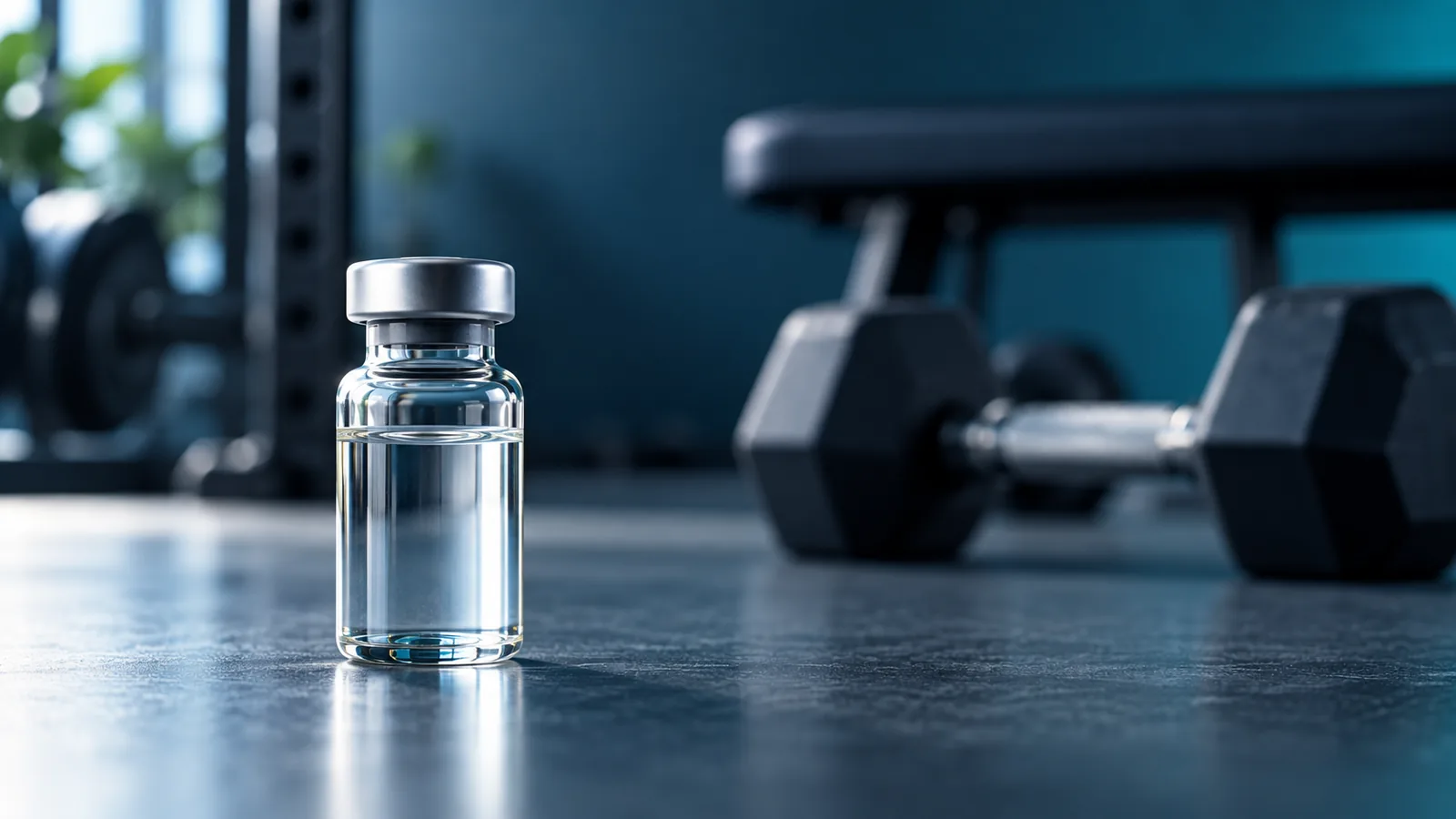
HCG in bodybuilding is often discussed as a way to address the hormonal effects of anabolic steroid use. However, its role is frequently misunderstood. Understanding what HCG does—and the limits of its effects—is essential when discussing testosterone, fertility and recovery.
What Is HCG?
Human chorionic gonadotrophin, commonly called HCG, is a hormone produced by the placenta during pregnancy. In males, it acts similarly to luteinising hormone (LH), stimulating cells in the testes to produce testosterone.
HCG is not an anabolic steroid. The official Pregnyl prescribing information explains its action and approved medical uses.
Why Do Bodybuilders Use HCG?
Anabolic steroid use can suppress the signals involved in testosterone and sperm production. Some bodybuilders use HCG in an attempt to counter these effects and maintain testicular size.
However, maintaining testicular size does not establish that fertility is preserved. The AUA/ASRM male infertility guideline notes that evidence supporting the addition of HCG to ongoing testosterone treatment to preserve sperm production remains limited.
Does HCG Help Recovery After Steroid Use?
It is too simplistic to describe HCG as either a guaranteed recovery treatment or something that is always counterproductive after steroid use.
HCG can stimulate testosterone production, but an increase during treatment does not necessarily mean the body’s own hormonal signalling has recovered.
The American Urological Association’s testosterone deficiency guideline recognises that HCG, sometimes combined with other medicines, may help selected patients recover testosterone and sperm production following testosterone or anabolic steroid use. The response and recovery time vary between individuals.
What Are the Potential Side Effects?
HCG can cause breast tissue enlargement, known as gynaecomastia, as well as fluid retention and injection-site reactions. These risks are described in the official prescribing information.
There is no universal bodybuilding dosing schedule that can be presented as safe for everyone. Treatment decisions should consider the underlying condition, test results and individual response.
What Is Pregnyl?
Pregnyl is a brand of HCG. Its prescribing information describes a preparation obtained from the urine of pregnant people, supplied as a powder with a solvent for reconstitution.
Preparation, injection route and storage instructions are product-specific. Users should follow the exact product label and their prescriber’s instructions rather than general advice found online.
When Should You Seek Medical Advice?
Persistent hormonal symptoms or fertility concerns after anabolic steroid use warrant medical assessment. A clinician can investigate the cause and discuss treatment based on test results and fertility goals.
HCG has legitimate medical uses, but it should not be treated as a guaranteed way to prevent or reverse the effects of steroid use.
No members are reading this right now
Nobody has answered this yet.
If you have run it, what happened to you is the answer. What you took and for how long, what changed, and your bloodwork if you have it.
You do not need to be an expert. You need to have taken it.