Loading...

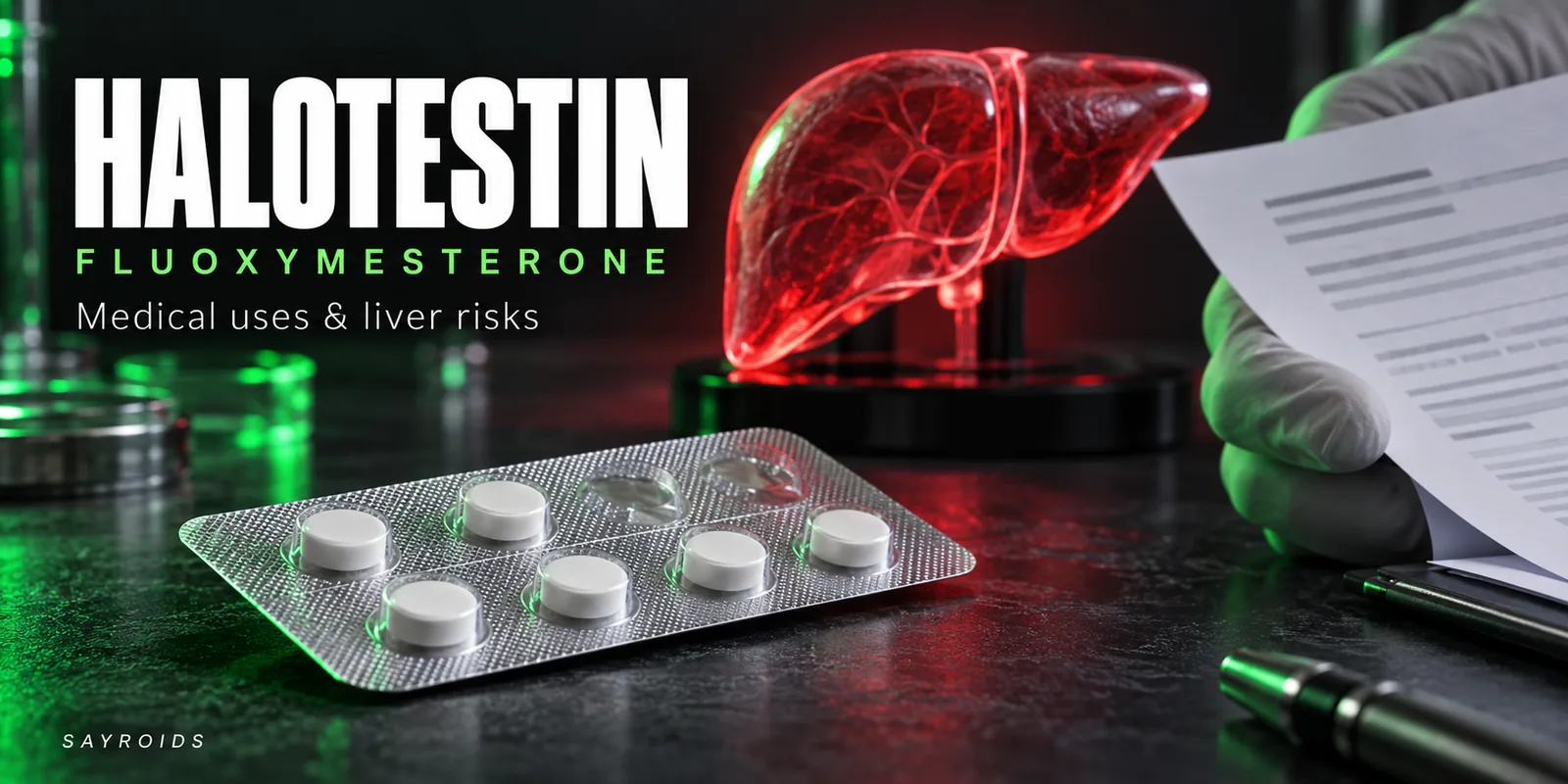
Halotestin (Fluoxymesterone): Medical Uses, Bodybuilding Claims and Side Effects
Halotestin is a brand name associated with fluoxymesterone, an oral anabolic androgenic steroid. It is a chemically modified derivative of testosterone, rather than a hormone identical to the testosterone your body produces.
Although discussed in bodybuilding circles for strength and physique enhancement, its medical uses do not establish that it is safe for those purposes.
What is fluoxymesterone used for medically?
MedlinePlus describes its use for testosterone deficiency caused by specific medical conditions, selected cases of delayed puberty, and certain advanced breast cancers in women. These treatments require medical supervision and should not be confused with using the drug for muscle growth or contest preparation.
How does it affect the body?
Fluoxymesterone has androgenic activity and can influence protein metabolism and red blood cell production. However, stimulating red blood cell production does not automatically mean better endurance, faster recovery, or healthier muscles.
External androgens can also suppress the hormonal signals that support natural testosterone and sperm production. Fluoxymesterone therefore should not be described as a general supplement for reproductive health. Its archived prescribing information specifically warns that safety and effectiveness for athletic performance have not been established.
Which bodybuilding claims need caution?
Common claimMore accurate wordingBuilds lean muscle reliablyIts anabolic activity does not establish predictable muscle gains in healthy users.Improves recovery by increasing oxygen deliveryEffects on red blood cells do not prove improved training recovery.Burns fat during a cutting cycleIt should not be presented as an established fat loss treatment.Improves energy and motivationChanges in how someone feels do not demonstrate a health benefit or establish safety.
Liver injury is a major concern
Fluoxymesterone belongs to the C17 alkylated group of oral anabolic steroids. This chemical modification supports oral activity but is associated with important liver risks.
NIH LiverTox describes liver injuries associated with this steroid class, including impaired bile flow, blood-filled cavities in the liver, and liver tumors. A brief period of use should not be assumed to eliminate these risks.
Other risks and precautions
Potential problems include fluid retention, cholesterol changes, fertility impairment, and mood symptoms. Medication interactions also matter, particularly with oral anticoagulants and diabetes treatment. Medical monitoring may include liver tests, cholesterol, hemoglobin, and hematocrit.
Serious heart, liver, or kidney disease and certain cancers are contraindications in the archived labeling, rather than conditions to casually work around. Pregnancy and breastfeeding require particular caution because of potential harm to the baby. In children, androgen treatment can interfere with normal growth.
Yellowing of the skin or eyes, upper abdominal pain, difficulty breathing, unusual bleeding, or significant swelling require prompt medical attention. Anyone prescribed fluoxymesterone should disclose all medicines and supplements and attend the recommended follow-up appointments.
No members are reading this right now
Nobody has answered this yet.
If you have run it, what happened to you is the answer. What you took and for how long, what changed, and your bloodwork if you have it.
You do not need to be an expert. You need to have taken it.